No products in the cart.
Payment Details
Payment RS: 1000
( Meezan Bank Limited)
Holder name : Khuzaima Abdul Salam
Account number : 98830107257458
Take A Proof of Payment



This plan includes all essential features you need to launch, manage, and scale your business smoothly.
Payment RS: 1000
( Meezan Bank Limited)
Holder name : Khuzaima Abdul Salam
Account number : 98830107257458
Take A Proof of Payment
The following addresses will be used on the checkout page by default.
If you are planning to start an online store, finding reliable dropshipping suppliers in Pakistan is the first and most important step. A good supplier ensures quality products, fast shipping, and smooth order fulfillment, which directly impacts customer satisfaction and repeat sales.
Today, many dropshipping suppliers in Pakistan offer services like Cash on Delivery, product sourcing, warehousing, and nationwide shipping. This makes it easier for new entrepreneurs to launch their stores without investing heavily in inventory. With the right partner, you can focus on marketing and growing your brand while the supplier handles packaging and delivery.
Before choosing a supplier, always check product quality, delivery time, return policies, and communication support. Working with trusted dropshipping suppliers in Pakistan can help you build a profitable and sustainable e-commerce business.
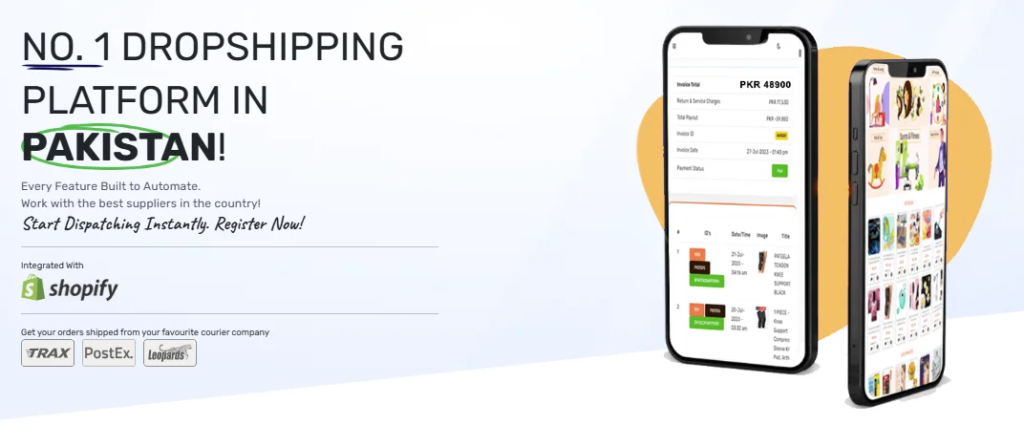
A dropshipping platform in Pakistan that lets sellers list products without holding stock. It connects you with suppliers, handles order fulfillment, and helps you run your online store with automated tools.
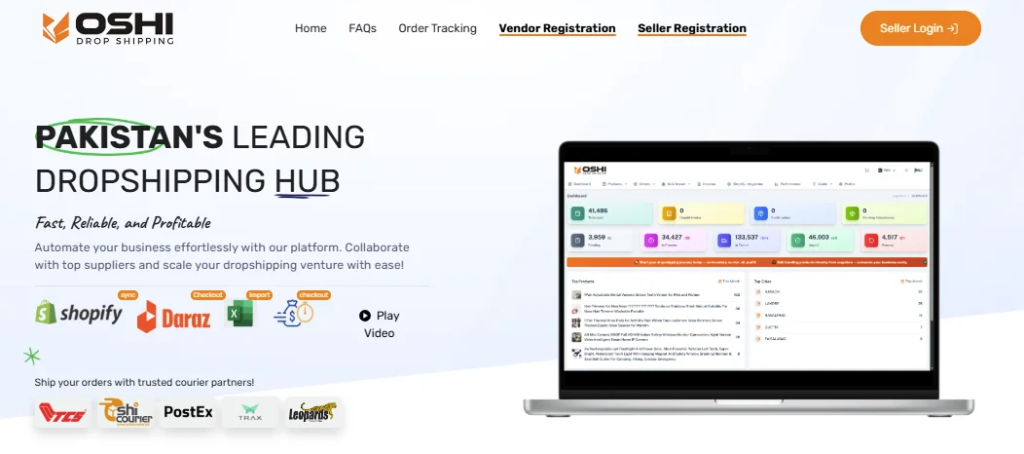
A service in Pakistan focused on e-commerce logistics and delivery support. It helps online sellers ship orders, manage tracking, and collect cash on delivery payments, making shipping easier and more reliable.

A local marketplace for dropshippers in Pakistan where sellers can pick products, add them to their store, and HHC handles packing and shipping to customers. It aims to simplify e-commerce without needing inventory.


If you have been searching for a reliable dropshipping platform in Pakistan, you already know the struggle. Most platforms either charge heavy fees, offer limited supplier access, or leave beginners completely confused. MostWelcome.pk is changing that, and in this article, we will break down exactly why it is becoming the go-to choice for sellers and dropshippers across Pakistan.
Dropshipping is a retail model where you sell products without holding any inventory. When a customer places an order, you forward it to your supplier, and they ship it directly to the buyer. You never touch the product.
According to Statista, the global dropshipping market was valued at over $300 billion in 2024 and continues to grow at a rapid pace. Pakistan’s e-commerce sector is no different. With internet penetration crossing 48% in Pakistan (PTA Annual Report 2024), more people are shopping online than ever before.
This creates a massive opportunity. But most beginners in Pakistan face two big problems:
MostWelcome.pk solves both of these problems in one place.
MostWelcome.pk is a multi-vendor marketplace in Pakistan where different sellers can run their own businesses on a single platform. Think of it like a digital mall, each seller gets their own store, and customers browse and buy from multiple sellers in one place.
What makes it different is its two-in-one model. You get a free online store plus access to Pakistan’s best dropshipping suppliers, all inside one platform. No third-party tools. No extra subscriptions. No hidden fees.
This kind of setup is genuinely rare in the Pakistani market right now.
Let us be honest. Dropshipping in Pakistan is not as plug-and-play as YouTube videos make it look. Here are the actual problems beginners face:
1. No reliable supplier network
Most beginners spend weeks trying to find a genuine supplier. Many get scammed or end up with suppliers who deliver late or send poor-quality products.
2. No dedicated selling platform
Selling on personal Facebook pages or WhatsApp groups is messy. There is no order management, no reviews, no credibility.
3. Too many separate tools
Beginners end up paying for a website, a supplier directory, marketing tools, and reporting software, all separately. The costs stack up fast.
MostWelcome.pk combines all of this into one free seller center.
Here is where things get interesting. MostWelcome.pk offers free dropshipping in Pakistan through its Seller Central, a fully functional dashboard built specifically for Pakistani sellers and dropshippers.
You sign up, set up your store, and you are live. No upfront costs. No monthly fee to get started.
This is not a stripped-down version either. The seller center comes loaded with tools that most paid platforms charge extra for.
This is the part that separates MostWelcome.pk from everything else available for dropshipping in Pakistan right now.
You get a clean, organized dashboard the moment you log in. Everything from your orders to your earnings is visible in one place. No digging through menus.
You can list as many products as you want. On top of that, the platform gives you built-in SEO tools so your products can rank on Google. This is a big deal for free dropshipping in Pakistan because organic traffic means zero ad spend.
Customers can follow your store. This builds a loyal customer base over time, similar to how social media following works, but directly tied to your sales channel.
Verified buyers can leave reviews on your products. Reviews build trust. Trust converts browsers into buyers. This feature alone gives new dropshippers social proof that is otherwise very hard to build from scratch.
As you grow, you earn badges that signal credibility to buyers. It is a built-in reputation system that rewards consistent sellers.
Add, edit, update, or remove products with ease. The product management interface is built for speed. Even a first-time seller can figure it out without a tutorial.
Track every order from placement to delivery. Update order status in real time. Customers stay informed, and you stay organized.
Buyers can request custom quotes for bulk orders. This is especially useful if you are targeting B2B customers or dealing in wholesale quantities.
Run promotions, create discount codes, and attract more buyers during peak seasons. This marketing tool is built right into your seller account.
See what is selling, when it is selling, and how much you are earning. Data-driven decisions are what separate successful sellers from those who guess and hope.
Set your own delivery timelines based on your supplier’s shipping schedule. This keeps customer expectations realistic and reduces complaints.
Once you earn, you can withdraw your earnings through the platform’s built-in withdrawal system. Transparent and trackable.
Customers can ask questions directly on your product page. You answer publicly. This reduces hesitation and increases purchase confidence.
If your business grows and you bring in a team member to help manage orders or listings, you can add staff accounts. You stay in control while delegating tasks.
Communicate directly with your store followers and customers through announcements. Promote new arrivals, sales, or any updates about your store.
Beyond sales reports, store statistics give you a broader view of your store’s performance, visits, views, conversion trends. Useful for long-term planning.
You are not on your own. MostWelcome.pk offers admin support to sellers. If something breaks or you need guidance, help is available.
Built-in marketing tools help you promote your products within the platform and beyond. This gives dropshippers a way to compete without a separate marketing budget.
Full control over your store settings, from branding to policies, and access to platform support whenever you need it.
Let us put this together clearly.
Most platforms in Pakistan either offer a marketplace or a supplier directory. Not both. MostWelcome.pk gives you both under one roof, completely free to start.
For beginners, the value is obvious. You do not need to:
Everything is inside the seller center. You focus on selling. The platform handles the infrastructure.
For experienced sellers, the unlimited listings, SEO tools, staff management, and sales analytics make it a platform that scales with your business.
This platform works well for:
If you have been holding back because starting felt too complicated or too expensive, MostWelcome.pk removes both of those barriers.
The dropshipping platform in Pakistan space is growing fast. But most options either cost too much, offer too little, or are simply not built for the Pakistani market.
MostWelcome.pk is different because it actually understands what Pakistani sellers and dropshippers need, a free, complete, easy-to-use platform with real supplier connections built in.
In 2026, if you are serious about starting or scaling dropshipping in Pakistan, there is a clear starting point. Head to MostWelcome.pk, open your free seller account, and use the Seller Central to build your business from day one.
No excuses. No barriers. Just get started.